Posts

Clear Vision, Healthy Eyes: Navigating Diabetic Eye Disease Awareness Month
Image
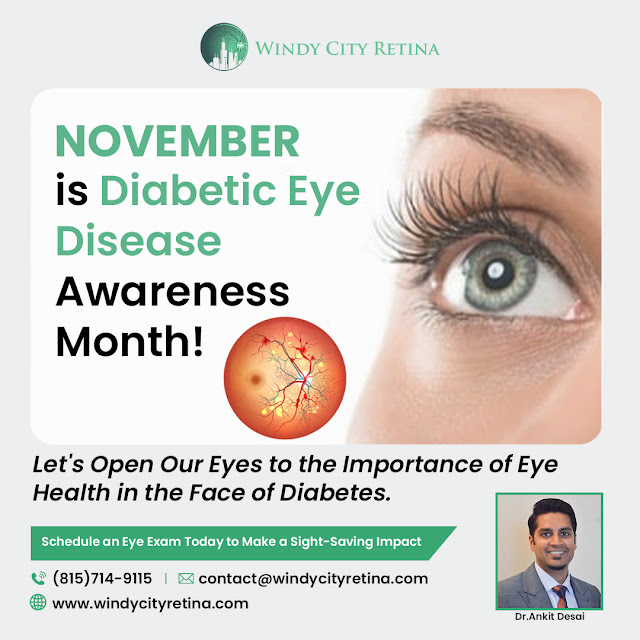
November is pointed to as a crucial time in the American health calendar – diabetic eye disease awareness month. The month of November is dedicated to shedding light on the often-overlooked connection between diabetes and vision health. Let us dive into this important topic to understand diabetic eye disease and the proactive steps that should be taken to preserve our vision. Understanding Diabetic Eye Disease: Diabetic Eye Disease encompasses a group of eye conditions that people with diabetes may face. These conditions include diabetic retinopathy, diabetic macular edema, cataracts, and glaucoma. Diabetes, a condition that affects how the body uses blood sugar, can lead to changes in the blood vessels of the retina, impacting vision over time. The Silent Threat to Vision: One of the worst things associated with Diabetic Eye Disease is that it often develops without showing noticeable symptoms in its early stages. Regular eye check-ups become crucial for early detection and interventi...

Understanding Histoplasmosis of the Eye: Symptoms, Diagnosis, Treatment, and Prevention

Image
Histoplasmosis of the eye is a medical condition that occurs when the fungus Histoplasma capsulatum infects the eye. This condition is often a result of inhaling the spores of the fungus, which can be found in soil, especially in areas with bird or bat droppings. While histoplasmosis primarily affects the lungs, it can disseminate to other parts of the body, including the eyes. Symptoms: Histoplasmosis of the eye can lead to various ocular symptoms, including: Choroiditis: Choroiditis is the most common manifestation of ocular histoplasmosis. It can cause blurred or distorted vision, scotomas (blind spots), and decreased central vision. Retinal Scarring: As the infection progresses, it can lead to the formation of scars in the retina, which can further impair vision. Macular Edema: Some individuals with histoplasmosis may develop macular edema, which is the accumulation of fluid in the macula, leading to central vision distortion. Diagnosis: Diagnosing histoplasmosis of the eye typi...

Eye-Catching Halloween: Safety Tips for Spooktacular Vision

Image
Halloween is just around the corner, and many of us are excited to transform into spooky creatures, superheroes, or our favorite characters for a night of fun and trick-or-treating. While Halloween is all about having a blast, it's crucial to ensure that your vision remains safe and sound throughout the festivities. In this blog post, we'll provide you with some essential safety tips for maintaining spooktacular vision on Halloween night. 1. Choose the Right Costume Accessories Costume accessories can add a lot of flair to your Halloween outfit, but some of them can also pose risks to your eyes. Be cautious when selecting accessories like masks, colored contact lenses, and costume makeup. Make sure they are safe and do not obstruct your vision. Opt for costumes with clear vision masks or face paint instead of masks that limit your field of view. If you decide to wear costume contact lenses, make sure to get them from a reputable source and follow proper hygiene and usage instru...

Shedding Light on Vitreoretinal Surgery

Image
The world of medicine is filled with remarkable specialties, each dedicated to preserving and enhancing a specific aspect of our health. One such field that often goes under the radar but plays a crucial role in maintaining our precious gift of sight is Vitreoretinal Surgery. In this blog post, we delve into the realm of Vitreoretinal Surgery Awareness, shedding light on its significance, procedures, and the experts who make it possible. The Importance of Vitreoretinal Surgery Imagine a delicate network of tissues at the back of your eye, responsible for capturing light and transmitting visual information to your brain. This intricate structure is known as the retina, and when it encounters issues, the consequences can be devastating for one's vision. This is where vitreoretinal surgery comes into play. Vitreoretinal surgery is a specialized branch of ophthalmology that focuses on the diagnosis and treatment of conditions affecting the vitreous humor and retina. These conditions, i...

Embrace Healthy Aging: Your Guide to Preserving Vision

Image
September is Healthy Aging Month, a time to focus on the importance of maintaining your eye health as you grow older. At Windy City Retina, your trusted retina center in Plainfield, Illinois, we are dedicated to helping you preserve your vision and eye health throughout the aging process. Why Eye Health Matters as You Age As we age, our eyes go through various changes. Some common age-related eye conditions include macular degeneration, diabetic retinopathy, cataracts, and glaucoma. These conditions can affect your vision and quality of life, but early detection and proper eye care can make a significant difference. Our Commitment to Your Eye Health At Windy City Retina , we specialize in the diagnosis and treatment of retinal diseases and disorders. Our team of experienced ophthalmologists and retina specialists is here to provide you with the highest level of care and expertise. We offer a range of services to address age-related eye conditions, including: Retinal Examinations: Regu...

Understanding Lattice Degeneration: Risks and Monitoring

  Lattice degeneration is an eye condition characterized by abnormal thinning of the outer edges of the retina. If you want to see things clearly, then you must have healthy retina. Due to thinning of retina it get more susceptible to developing retinal tears, breaks, or holes, which can potentially lead to a serious condition known as retinal detachment. Once anyone diagnose with lattice degeneration, it is essential to keep close eye to monitor this condition.  Causes & Risk Factors: a) Genetic Predisposition b) Myopia (Nearsightedness) c) Aging d) Connective Tissue Disorders  e) Eye Trauma   f) Retinal Detachments in the Contralateral Eye  Symptoms of Lattice degeneration: a) Blurred Vision b) Flashing Lights c) Floaters Curtain obscuring part of your peripheral visual field If you experience any of these, seek prompt ophthalmic care.  Potential complications and conditions associated with Lattice degeneration: a) Myopia (Nearsightedness): b) Re...

Lattice Degeneration: Take A Look into Causes, Symptoms, and Eye Exam Importance

Image
The thinning of the retina that can happen over time is known as Lattice degeneration. Approximately 10 out of 100 people have lattice degeneration. An individual requires a healthy retina for clear vision, yet many people with this condition remain symptom-free without any impact on their vision. However, in some cases, lattice degeneration can lead to retinal detachment. As the condition of retinal detachment can cause vision loss, those with lattice degeneration need regular eye exams. What Causes Lattice Degeneration? According to experts, the exact cause of lattice degeneration is not sure. However, they have found that certain people are more adaptive to the risk of developing the condition. It is considered that lattice degeneration is not always inherited, but it does run in some families. Lattice Degeneration is also more common in people with: •      Myopia (nearsightedness) •      Certain diseases like Stickler syndrome and Marfan syndrome. Sympt...